The Best Sunscreens for Every Skin Type in 2026: The Only Guide You Need
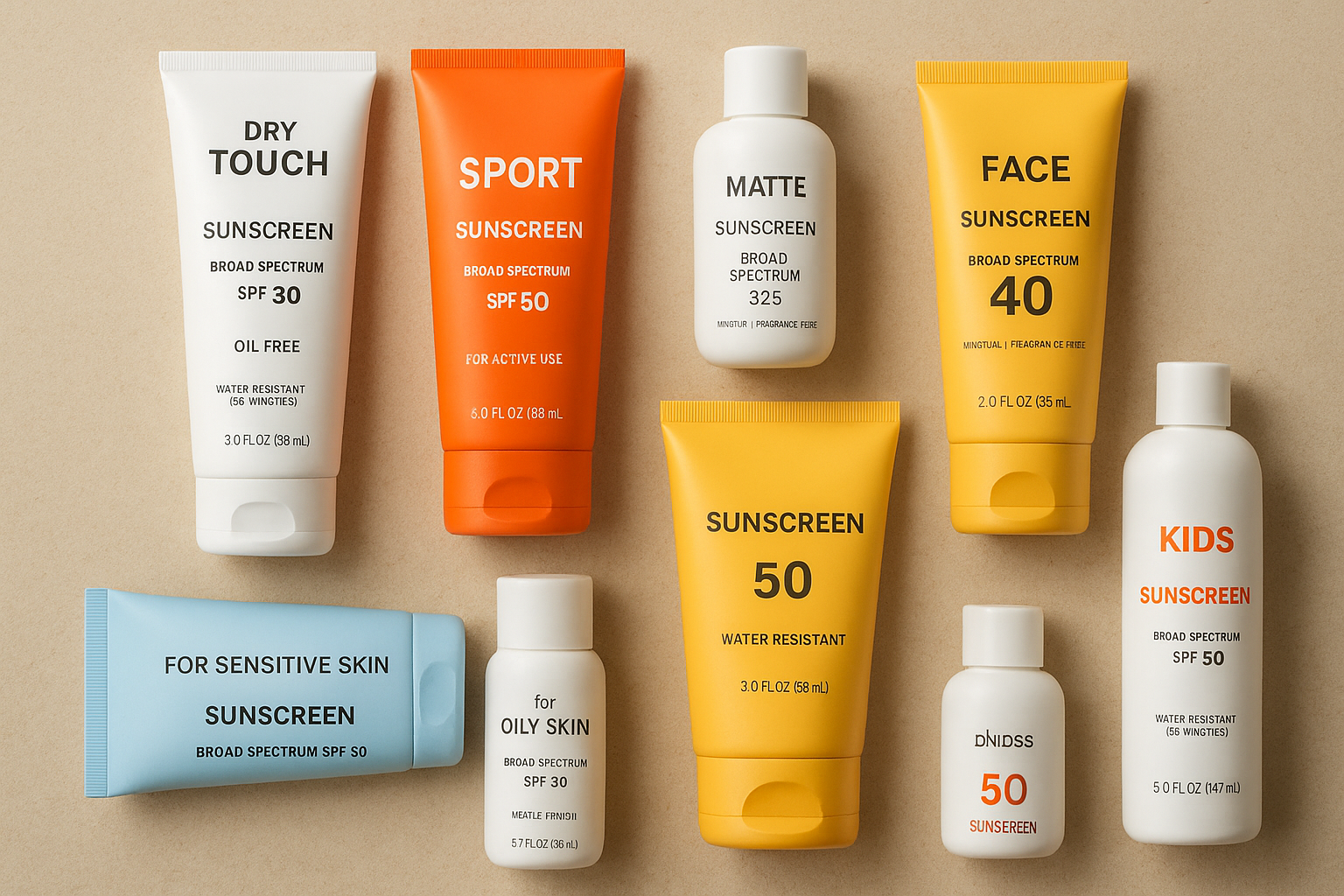
The Ultimate 2026 Sunscreen Guide: Find Your Perfect Match for Flawless Protection
Navigating the sunscreen aisle in 2026 can be overwhelming. Gone are the days of simple white bottles; now, you’re met with a sea of advanced claims like “invisible zinc,” “blue light defense,” and “skin barrier repair.” Standing there, comparing nearly identical tubes, you wonder: which one will truly protect my skin without causing breakouts, a white cast, or a greasy finish?
We’ve all been there. Buying an expensive “universal” formula only to find it pills under makeup. Trying a “matte” sunscreen that leaves you shiny by mid-morning. It’s a frustrating and costly cycle.
The stakes are high. Choosing the wrong sunscreen isn’t just a cosmetic issue—it’s a health risk. Inadequate protection accelerates photoaging (think wrinkles, dark spots, and loss of elasticity) and increases your cumulative risk for skin cancer. Simply put, if a sunscreen feels unpleasant, you won’t wear it. Consistent daily use is everything.
This guide cuts through the noise. We’ve synthesized the latest 2026 data from rigorous sources like the Consumer Reports SPF Excellence Awards, dermatologist panels, and independent lab tests. This isn’t a list of trendy products; it’s a systematic, skin-type-specific roadmap to your holy grail SPF.
The 2026 Sunscreen Buyer’s Guide: Core Concepts
Before diving into recommendations, let’s establish a foundational understanding. Think of this as your essential sunscreen vocabulary.
Understanding SPF, Broad Spectrum, and PA Ratings
- SPF (Sun Protection Factor): Primarily measures protection against UVB rays, which cause sunburn. SPF 30 blocks about 97% of UVB rays, while SPF 50 blocks about 98%. The key takeaway? SPF 30 is the effective minimum.
- Broad Spectrum: This label is non-negotiable. It means the product has been tested and proven to protect against both UVA and UVB rays. UVA rays penetrate deeply, causing long-term aging and contributing to skin cancer risk.
- PA Rating: Often found on Asian or European sunscreens (e.g., PA+, PA+++), this measures UVA protection. More plus signs indicate higher protection.
Mineral vs. Chemical Filters: The 2026 Perspective
The debate has evolved with new technology.
- Mineral (Physical) Filters: Zinc Oxide and Titanium Dioxide. They sit on the skin’s surface, deflecting UV rays.
- Pros: Ideal for sensitive skin, less likely to cause stinging, effective immediately upon application. Modern micronized formulas have largely eliminated the white cast.
- Cons: Can sometimes feel heavier.
- Chemical Filters: Ingredients like Avobenzone, Homosalate, and next-gen stars like Tinosorb S. They absorb UV radiation and convert it to heat.
- Pros: Often more cosmetically elegant—lighter textures, easier to blend. A key 2026 advantage is superior photostability, meaning they don’t break down as quickly in sunlight.
The Bottom Line: The best sunscreen is the one you’ll wear consistently. Both types, when well-formulated, offer excellent protection.
Matching Sunscreen to Your Skin Type
This is your essential decision matrix. Identify your primary skin type:
* Oily/Acne-Prone: Shines quickly, has enlarged pores, is prone to clogging.
* Dry/Dehydrated: Feels tight, may flake, lacks luminosity.
* Sensitive/Reactive: Easily stings, reddens, or itches with new products.
* Combination: Oily T-zone (forehead, nose, chin) with normal or dry cheeks.
* Mature: Concerns include fine lines, loss of firmness, and hyperpigmentation.
The Best Sunscreens for Every Skin Type in 2026
Based on 2026 performance data, here are the formulas that excel in both protection and wearability.
Best for Oily & Acne-Prone Skin
Look for: Oil-free, non-comedogenic gels, fluids, or serums with a matte or natural finish.
Key Ingredients: Niacinamide to regulate oil and calm inflammation, and sebum-control polymers.
2026 Standout: Lightweight gel-to-water formulas with a dry-touch finish that layers invisibly under makeup.
Best for Dry & Dehydrated Skin
Look for: Hydrating creams or milks that double as moisturizers.
Key Ingredients: Hyaluronic acid, glycerin, and ceramides to attract moisture and support the skin barrier.
2026 Standout: Luxurious creams that provide a healthy glow without greasiness, simplifying your skincare routine.
Best for Sensitive & Reactive Skin
Look for: Fragrance-free, alcohol-free formulas with minimal ingredients. Mineral filters are traditionally safe, but newer chemical filters like Tinosorb S are also well-tolerated.
Key Ingredients: Soothing agents like bisabolol and panthenol.
2026 Standout: Elegant mineral formulas using coated particles to eliminate chalkiness.
Best for Combination Skin
Look for: Lightweight, balancing lotions labeled for “normal to combination” skin.
Key Feature: A water-based, oil-free formula that absorbs quickly, moisturizing dry areas without greasing the T-zone.
2026 Standout: Fast-absorbing textures that provide uniform hydration and finish.
Best for Mature Skin
Look for: Multifunctional creams with high, stable UVA protection (check PA ratings) and added skincare benefits.
Key Ingredients: Antioxidants like stabilized Vitamin C, Vitamin E, and peptides to combat free radicals and support collagen.
2026 Standout: Treatment-level creams that protect against aging while improving skin texture and hydration.
How We Know What Works: A Look at 2026 Testing
Recommendations are only as good as the data behind them. Reputable sources like Consumer Reports and Wirecutter use a rigorous methodology:
1. SPF Accuracy Testing: Lab verification that a product meets its labeled SPF claim.
2. UVA Protection Verification: Ensuring true broad-spectrum coverage.
3. Usability Panels: Real people with diverse skin types and tones assess feel, absorption, and finish.
This blend of hard science and real-world experience identifies products that truly perform.
Common Pitfalls and How to Avoid Them
Even with a great product, mistakes happen. Here’s what to watch for in 2026:
- Skin Barrier Disruption: High-alcohol formulas for ultra-light feels can strip the skin over time. If your skin feels tight or reactive, switch to a gentler, hydrating formula.
- Allergens & Irritants: Beyond fragrance, some react to specific chemical filters or preservatives. Always patch-test new products.
- The False Sense of Security: No sunscreen is a force field. You must apply 1/4 teaspoon for your face and neck and reapply every two hours of sun exposure. New formats like SPF setting sprays and powdered sunscreens make reapplication over makeup practical.
The Future of Sun Protection: What’s Next?
Sunscreen technology is advancing rapidly. Here’s what’s on the horizon:
- Beyond UV Protection: Look for “full-spectrum” sunscreens incorporating iron oxides for blue light protection and advanced antioxidant cocktails to combat pollution and infrared radiation.
- Sustainable Formulations: Innovation is driving truly biodegradable filters and eco-friendly packaging.
- Smart Sunscreen Tech: Wearable UV sensors and connected apps provide hyper-localized UV data and personalized reminders to reapply, making protection smarter and more intuitive.
Conclusion: Your Personalized Sun Protection Strategy
The best sunscreen for you in 2026 isn’t the most expensive or most hyped. It’s the verified, broad-spectrum SPF 30+ formula that you genuinely enjoy applying every single day.
Your Action Plan:
1. Prioritize Protection: Choose a proven broad-spectrum SPF 30+.
2. Filter by Feel: Use your skin type as your primary guide.
3. Commit to Correct Use: Apply generously (1/4 tsp) and reapply every two hours in the sun.
Sunscreen has evolved from a seasonal chore to the most critical daily pillar of long-term skin health and aesthetics. Your skin’s future is in your hands—make the right choice.
FAQ: Your 2026 Sunscreen Questions Answered
Is mineral sunscreen the only safe choice for sensitive skin?
Not necessarily. While mineral filters (zinc, titanium) are excellent, modern chemical filters like Tinosorb S are also well-tolerated. The key is the overall formulation: look for products specifically labeled for sensitive skin that are fragrance-free and alcohol-free.
What’s the ROI of a facial sunscreen vs. a cheap body lotion?
A dedicated facial sunscreen, while potentially more expensive upfront, is engineered for cosmetic elegance—it won’t clog pores or pill under makeup. This protects your long-term investment in your skin’s health, potentially saving you money on corrective treatments for breakouts or premature aging. The ROI is in daily compliance and skin health.
Are “blue light” sunscreens a replacement for traditional SPF?
No, they are an enhancement. Your base layer must be a verified broad-spectrum sunscreen for UVA/UVB protection. “Blue light” or “anti-pollution” claims typically refer to added ingredients like iron oxides and antioxidants that provide an extra layer of defense against environmental stressors. Core SPF is non-negotiable.
How do I reapply sunscreen over makeup?
2026 offers excellent solutions:
* SPF Setting Sprays & Mists: Fine mists designed for over-makeup application.
* Mineral Powder Sunscreens: Loose or pressed powders with verified SPF, perfect for dusting over makeup to reduce shine and add protection.
What are the data privacy red flags with “smart” sunscreen apps?
When using UV sensor apps, you share health-adjacent data. Be cautious of apps that demand excessive permissions, have vague privacy policies, or sell data to third parties. Protect yourself by using apps from reputable brands, reading privacy policies, and limiting permissions to only what’s necessary.