Niacinamide: The One Skincare Ingredient That Actually Does Everything (Here's the Proof)
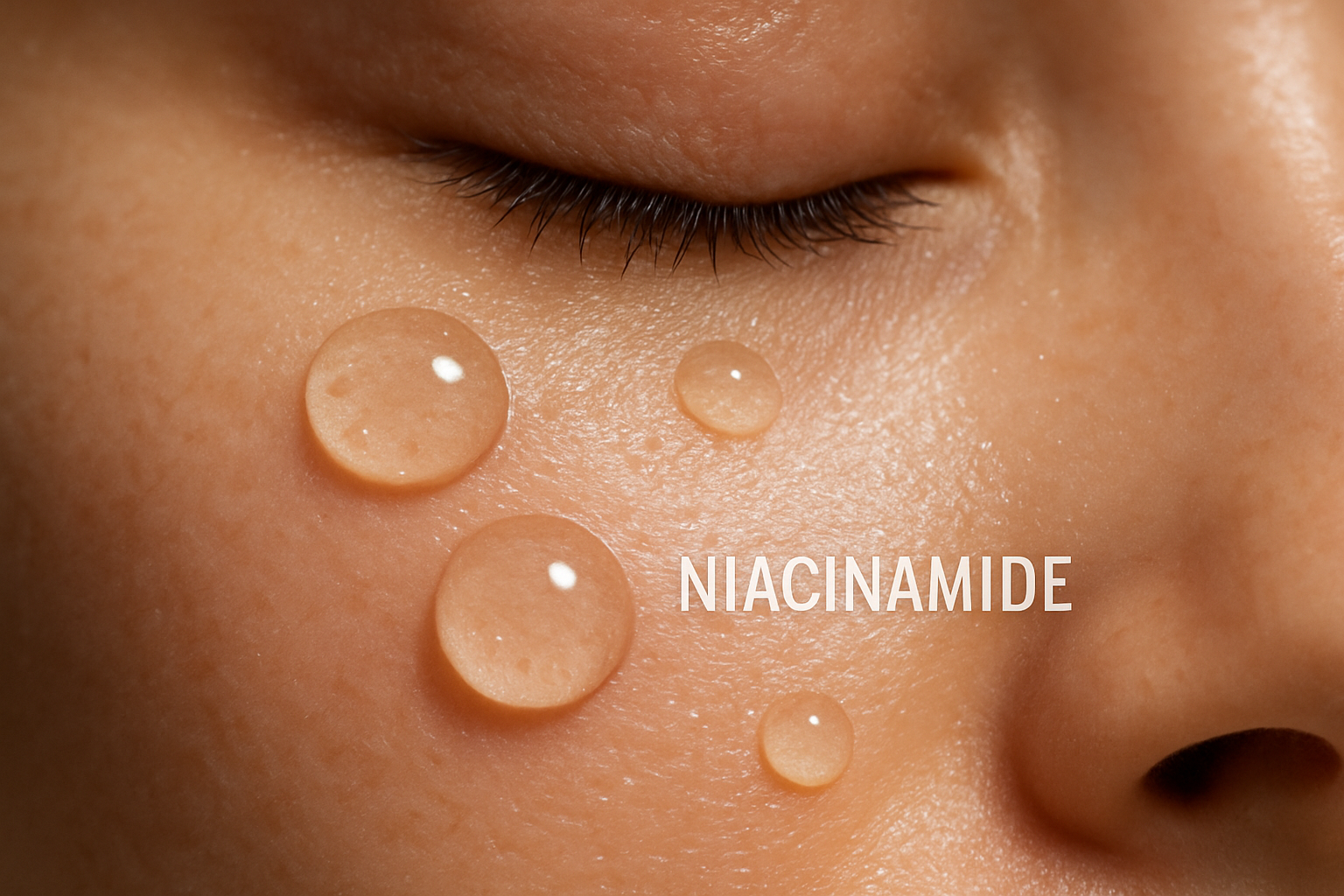
Niacinamide: The Multitasking Skincare Powerhouse Backed by Science
Navigating the skincare aisle can feel overwhelming. Between serums for wrinkles, dark spots, and redness, building an effective routine becomes costly and complex. The core challenge? Modern skin faces constant threats from pollution, blue light, stress, and natural aging. You don’t need an army of single-purpose products—you need a versatile multitasker.
Enter niacinamide. More than a passing trend, this form of Vitamin B3 is a clinically proven ingredient with decades of research behind it. Think of it as your skincare routine’s Swiss Army knife: a single, well-tolerated active that addresses oiliness, pores, pigmentation, wrinkles, and sensitivity.
If you add just one active ingredient to your regimen this year, make it niacinamide.
What Is Niacinamide? The Science Simplified
Niacinamide, a form of Vitamin B3 (niacin), is essential for fundamental cellular processes. When applied topically, it acts as a cosmetic powerhouse due to its water solubility, stability, and compatibility with other ingredients.
In simple terms, niacinamide boosts the production of vital coenzymes—NAD and NADP—within your skin cells. These coenzymes act as cellular currency for energy and repair, enabling your skin to function more efficiently.
Its true strength lies in its multimodal mechanism. Unlike single-target ingredients, niacinamide orchestrates several key actions:
* Enhances Ceramide Synthesis: Stimulates your skin to produce more ceramides, the "mortar" that strengthens your skin barrier.
* Inhibits Melanosome Transfer: Slows the transfer of pigment to skin’s surface, helping to fade dark spots and even out tone.
* Modulates Sebum Production: Communicates with oil glands to normalize sebum output without stripping the skin.
This combination of barrier repair, antioxidant defense, and anti-inflammatory support makes niacinamide a comprehensive skin health upgrade.
Proven Benefits of Niacinamide for Daily Skin Health
Let’s explore the tangible, science-backed benefits this ingredient delivers.
1. Strengthens the Skin Barrier
A compromised skin barrier leads to dryness, sensitivity, and inflammation. Niacinamide reinforces your skin’s structure by increasing ceramide and fatty acid production. The result? Improved hydration, reduced water loss, and a plumper, more resilient complexion that better defends against irritants.
2. Regulates Sebum & Minimizes Pores
For oily or acne-prone skin, niacinamide is a game-changer. Studies show it can significantly reduce sebum excretion, normalizing oil production rather than drying out the skin. With less excess oil, pores are less likely to become stretched and clogged, leading to a visibly refined, matte finish over time.
3. Targets Hyperpigmentation & Evens Skin Tone
Fading dark spots and post-inflammatory hyperpigmentation (PIH) is a top concern for many. Niacinamide addresses this by interfering with the transfer of melanin (pigment) to skin cells. It doesn’t bleach skin but promotes a more even, radiant complexion through consistent use.
4. Combats Visible Signs of Aging
By supporting cellular energy (NAD), niacinamide helps maintain healthy collagen and elastin. Research indicates it can improve skin elasticity and reduce the appearance of fine lines and wrinkles, making it a gentle yet effective anti-aging ally.
5. Soothes Redness & Sensitivity
Thanks to its anti-inflammatory properties, niacinamide is excellent for calming reactive skin. It can help soothe conditions like rosacea and eczema by strengthening the barrier and reducing inflammation, leading to less overall reactivity.
How to Incorporate Niacinamide Into Your Routine: A Practical Guide
Ready to integrate niacinamide? Here’s how to do it effectively.
Choosing the Right Concentration
Percentages matter, but higher isn’t always better.
* 2%-5%: The ideal sweet spot for most. Perfect for beginners, sensitive skin, and daily maintenance of barrier health and oil control.
* 10%: A higher potency for targeting stubborn hyperpigmentation or texture. Start with a lower concentration to assess tolerance.
A well-formulated 5% serum, like this highly-rated niacinamide and zinc formula, often provides the perfect balance of efficacy and gentleness.
Selecting the Best Product Format
- Serums: Ideal for high concentration and direct delivery. Apply to clean, slightly damp skin.
- Moisturizers: Excellent for all-day barrier support. Check your daily cream’s ingredient list.
- Cleansers & Toners: Offer superficial benefits but are less effective since they rinse off. Suitable for introductory exposure.
The Ideal Application Order
Follow the golden rule: apply products from thinnest to thickest consistency, water-based before oil-based.
1. Cleanse.
2. Tone (if used).
3. Niacinamide Serum (on damp skin for enhanced absorption).
4. Other treatment serums (e.g., peptides).
5. Moisturizer.
6. Sunscreen (AM essential).
Layering With Other Actives
- With Vitamin C: Contrary to old myths, they do not cancel each other out. They can be used together synergistically. For caution, use Vitamin C in the AM and niacinamide in the PM.
- With Retinoids: A powerful pairing. Niacinamide can help buffer potential retinoid irritation. Apply niacinamide first, wait a minute, then apply retinol.
- With AHAs/BHAs: Safe to use together. Niacinamide can help soothe any irritation from exfoliating acids. Apply your acid, wait 20 minutes, then follow with niacinamide.
Morning vs. Night Use
You can use niacinamide twice daily. In the AM, it provides antioxidant protection alongside your sunscreen. In the PM, it focuses on repair and recovery. Consistency is key for optimal results.
Navigating Potential Risks & Maximizing Tolerability
Niacinamide is famously gentle, but responsible use is crucial.
Understanding Potential Side Effects
True irritation or flushing is rare at cosmetic concentrations (2-10%). What some mistake for "purging" is usually skin adjustment or a reaction to another ingredient in the formula. Unlike retinoids, niacinamide itself does not cause purging.
The Non-Negotiable: Patch Testing
Always conduct a patch test. Apply a small amount behind your ear or on your inner forearm for 3-5 days. No reaction means you’re likely good to proceed—a critical step for sensitive skin types.
Avoiding Overuse & Conflicts
Balance is essential. Using a 10% serum twice daily alongside multiple strong actives may cause irritation. Start low and slow. The only notable conflict is applying it immediately before or after very low-pH formulas (like pure L-ascorbic acid under pH 3.5); simply space them out by 15-30 minutes.
The Future of Niacinamide: Trends & Innovations
As of 2025, niacinamide is the most-searched skincare ingredient globally—a trend set to continue.
Niacinamide in 2026 and Beyond
Market growth is projected to skyrocket, driven by demand for multifunctional, "skin longevity" ingredients that offer efficiency and proven results.
Next-Generation Formulations
Innovation lies in strategic combinations. Look for niacinamide paired with:
* Peptides: For targeted collagen support, combining repair crews with specific blueprints.
* Pre/Probiotics: To support the skin microbiome alongside barrier repair.
* Novel Antioxidants: For layered protection against environmental aggressors.
Beyond Facial Skincare
The body is the next frontier. Niacinamide body lotions and serums are emerging to address keratosis pilaris ("chicken skin"), body hyperpigmentation, and overall barrier health. Scalp serums with niacinamide are also gaining traction for soothing inflammation and promoting a healthy follicle environment.
Why Niacinamide Deserves a Permanent Spot in Your Routine
In summary, niacinamide is a single, clinically-backed ingredient that:
* Strengthens the skin barrier
* Regulates oil production
* Fades dark spots
* Softens wrinkles
* Calms redness and sensitivity
Its compatibility with almost every skin type—from oily and acne-prone to sensitive and mature—is unmatched.
Our final recommendation? Make niacinamide your foundational active. It’s the reliable workhorse that enhances the efficacy of your entire routine while minimizing irritation. For long-term skin health and resilience, niacinamide isn’t just an option; it’s a necessity.
Building a routine around a core ingredient like this is a principle we explore in our guide, Unlock Your Radiance: The Ultimate 2026 Skincare Routine for Glowing Skin.
Frequently Asked Questions (FAQ)
Can I use niacinamide with vitamin C?
Yes. The myth that they neutralize each other is debunked. They can be used together in the same routine. For maximum comfort, use vitamin C in the morning and niacinamide at night, or wait a few minutes between applications.
What concentration of niacinamide is best for beginners?
Start with a 2% to 5% formula. This range is highly effective for barrier repair and oil control with minimal irritation risk. It’s the perfect introduction before considering higher potencies.
How long does it take to see results from using niacinamide?
You may notice improved hydration and a calmer complexion within 2-4 weeks. For more significant concerns like reduced oiliness, minimized pores, and faded dark spots, allow 8-12 weeks of consistent daily use. Patience is key.
I have sensitive skin and rosacea. Is niacinamide safe for me?
In most cases, yes—it’s often recommended. Its anti-inflammatory and barrier-strengthening properties can soothe rosacea-prone and sensitive skin. Always patch test with a low concentration (5% or less) and introduce it slowly, starting every other day.
Can I use too much niacinamide? What happens?
While systemic overdose from topical use is virtually impossible, over-application or using extremely high concentrations (e.g., layering multiple 10% products) can cause irritation, redness, or dryness for some. More is not always better. Stick to one well-formulated product and listen to your skin’s feedback.