How to Double Cleanse Properly for Clearer Skin: The 2026 Method That Actually Works
How to Double Cleanse Properly for Clearer Skin: The 2026 Method That Actually Works
Imagine trying to wash a greasy pan with only water. The oil just smears. Your skin faces the same challenge daily.
Sunscreen, makeup, pollution, and sebum create an oil-based layer that water alone can't break down. This is the silent flaw in many routines: your expensive serums sit on top of impurities, leading to clogged pores, dullness, and breakouts.
The solution isn't a harsher scrub. It's a smarter, two-step cleaning protocol. Double cleansing, a cornerstone of Korean beauty, is the systematic method for a deeply purified complexion.
This definitive guide will teach you how to double cleanse properly for your skin type. It’s the non-negotiable foundation for clear, healthy skin.
What is Double Cleansing? The Core Concept Explained
The science is simple: like dissolves like. Oil binds to oil. Water binds to water.
A standard water-based cleanser removes sweat and dirt but struggles against waterproof, oil-based films from SPF and long-wear makeup. This residue is the enemy of clear skin.
The Two-Step Process: Targeted Purification
This isn't washing twice with the same soap. It's a targeted, two-phase operation.
- Step 1: The Oil-Based Cleanser (The Dissolver). A balm, oil, or milk applied to dry skin. It binds to and liquefies sunscreen, makeup, sebum, and pollutants. Emulsified with water and rinsed away, it handles the heavy lifting.
- Step 2: The Water-Based Cleanser (The Refresher). Your gel, foam, or cream cleanser. With the oily layer gone, it can effectively clean the skin itself, removing sweat, dead cells, and any remaining residue.
Why This Method is a Game-Changer
The benefits are tangible:
* Thorough Removal: Non-negotiable for skin health.
* Reduced Congestion: Fewer blackheads and clogged pores.
* A Clean Canvas: Allows subsequent treatments (serums, moisturizers) to penetrate effectively.
* Balanced Skin: Removes impurities without stripping the skin's essential protective lipids.
How to Double Cleanse Properly: A Step-by-Step Master Guide
Technique is as crucial as product selection.
Step 1: Choosing Your First Cleanser (The Oil-Based Purifier)
Select a product that dissolves effectively and rinses cleanly.
Product Types: Cleansing balms (solid), cleansing oils (liquid), and cleansing milks (lotion-like). Balms and oils excel at removing heavy makeup and water-resistant SPF.
Selection by Skin Type:
* Oily/Acne-Prone Skin: Lightweight, non-comedogenic oils (e.g., grapeseed, safflower). Avoid heavy mineral oil.
* Dry/Sensitive Skin: Nourishing balms or milks with soothing ingredients (e.g., chamomile, oat oil). Choose fragrance-free.
* Combination/Normal Skin: You have flexibility. A balanced oil or milky cleanser often works perfectly.
Application Technique:
1. Start Dry. Hands and face must be completely dry.
2. Dispense & Massage. Use a coin-sized amount. Massage gently over your dry face and neck for 45-60 seconds.
3. Emulsify. Add a splash of lukewarm water and massage again. The oil will turn into a milky emulsion.
4. Rinse Thoroughly. Rinse completely with lukewarm water. Skin should feel clean, not tight.
Step 2: Choosing Your Second Cleanser (The Water-Based Refresher)
This step cleans your actual skin. It should be gentle.
Product Types: Gel (oily skin), foam (can be drying), cream (hydrating), clay (occasional deep cleanse).
Matching to Skin Concerns:
* Congestion & Acne: A gel or foaming cleanser with salicylic acid (BHA) or niacinamide.
* Dryness & Sensitivity: A creamy, hydrating, pH-balanced formula. Avoid sulfates (SLS/SLES).
* General Maintenance: A gentle gel-to-foam or cream cleanser.
Application Technique:
1. Wet Your Face.
2. Lather & Cleanse. Lather a small amount in your hands, massage onto your face for 30-45 seconds.
3. Final Rinse. Rinse meticulously.
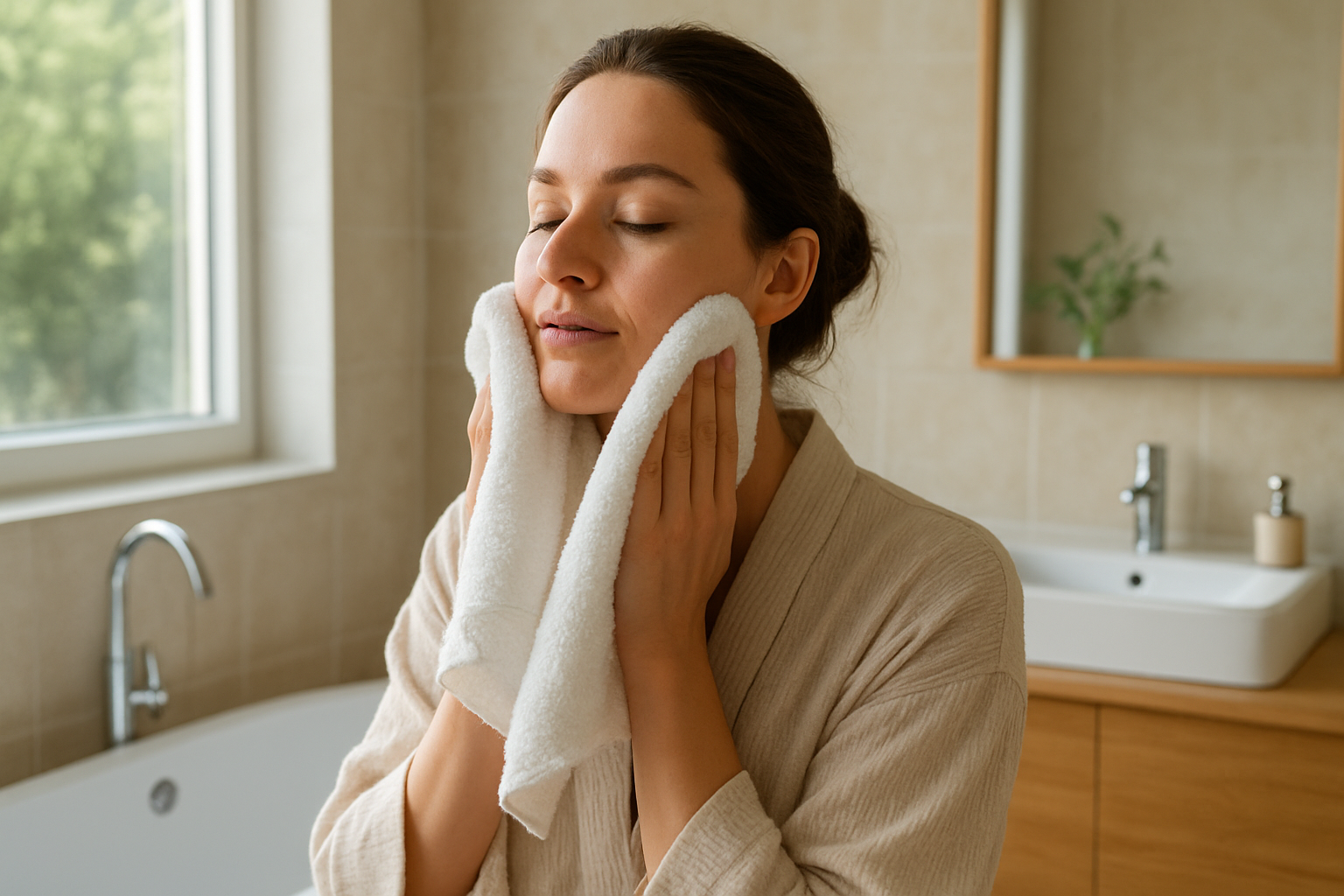
4. Pat Dry. Gently pat skin dry with a clean, soft towel.
Common Mistakes to Avoid:
* Over-Cleansing: Aggressive, long scrubbing disrupts your skin barrier. Gentle massage is enough.
* Using Two Harsh Cleansers: If your skin feels "squeaky clean," your second cleanser is too stripping.
* Rushing Emulsification: Not fully emulsifying the first cleanser can leave a residue.
Tailoring Your Double Cleanse: A Guide for Every Skin Type
For Oily and Acne-Prone Skin
Goal: Decongest without triggering excess oil.
Method: Lightweight, non-comedogenic oil cleanser first. Follow with a foaming or gel cleanser containing salicylic acid or niacinamide a few times a week.
For Dry and Sensitive Skin
Goal: Cleanse without compromising the moisture barrier.
Method: Fragrance-free, nourishing cleansing balm or milk first. Follow with a creamy, hydrating, pH-balanced second cleanser with ingredients like ceramides.
For Combination and "Normal" Skin
Goal: Maintain equilibrium.
Method: A balanced oil cleanser followed by a gentle gel-to-foam or cream cleanser. You can use a more clarifying second cleanser on the T-zone as needed.
Case Study: Real-World Results
The Problem: A client used heavy mineral sunscreen and a single, aggressive foaming cleanser. She had persistent texture, closed comedones, and no radiance.
The Diagnosis: Incomplete cleansing. Stripping the surface left sunscreen and sebum buried in pores.
The Solution: Evening routine: 1) Lightweight cleansing oil. 2) Gentle salicylic acid cleanser 3-4x/week, hydrating cream cleanser on other nights.
The Outcome (6-8 Weeks): Visible reduction in blackheads and texture. Skin gained a "glow." Subsequent skincare products absorbed more effectively.
Advanced Considerations
When to Skip Double Cleansing
Listen to your skin. On minimalist mornings or after a day with no SPF/makeup, a single water-based cleanse is sufficient. If your skin is irritated, red, or feels tight, simplify to a single, ultra-gentle cleanser until it recovers.
The Future of Cleansing
Innovations focus on multi-tasking products (e.g., with prebiotics), sustainable formats (solid bars, refillable systems), and microbiome-friendly formulas designed to support the skin's natural ecosystem during cleansing.
Conclusion: Your Clear Skin Foundation
Mastering how to double cleanse properly is the most impactful change you can make to your skincare routine. It ensures a truly clean canvas, allowing every treatment that follows to work effectively.
The final takeaway: Double cleansing is not about harshness. It's about intelligent, thorough removal. Consistency with the right, gentle products for your skin type is the key to a clearer, healthier complexion.
FAQ: Your Double Cleansing Questions, Answered
Is double cleansing necessary if I only wear mineral sunscreen?
Yes. Mineral sunscreens are often in oil or silicone-based vehicles. A water-based cleanser alone struggles to break that bond, leaving residue. An oil-based first cleanse is the most effective and gentle removal method.
Can double cleansing damage my skin barrier?
Not if done correctly. The issue is using the wrong products. Use a gentle, fully-emulsifying oil cleanser and a non-stripping second cleanser (avoid sulfates). Your skin should feel balanced, not tight or squeaky.
How long should I massage each cleanser?
First cleanse: 45-60 seconds of gentle massage.
Second cleanse: 30-45 seconds.
Goal is gentle efficacy, not prolonged friction.
I have acne. Won't an oil cleanser cause more breakouts?
This is a myth. High-quality, non-comedogenic oil cleansers dissolve clog-causing oils and rinse away completely. They can be less stripping than harsh, drying cleansers. Look for oils high in linoleic acid (grapeseed, safflower).
Do I need to double cleanse in the morning?
For most people, no. Your morning cleanse is about refreshing the skin. A single, gentle water-based cleanse is perfect. Reserve double cleansing for your evening routine to remove the day's SPF, pollution, and makeup.