Glass Skin Secrets 2026: The Dewy Look That's Actually Sustainable
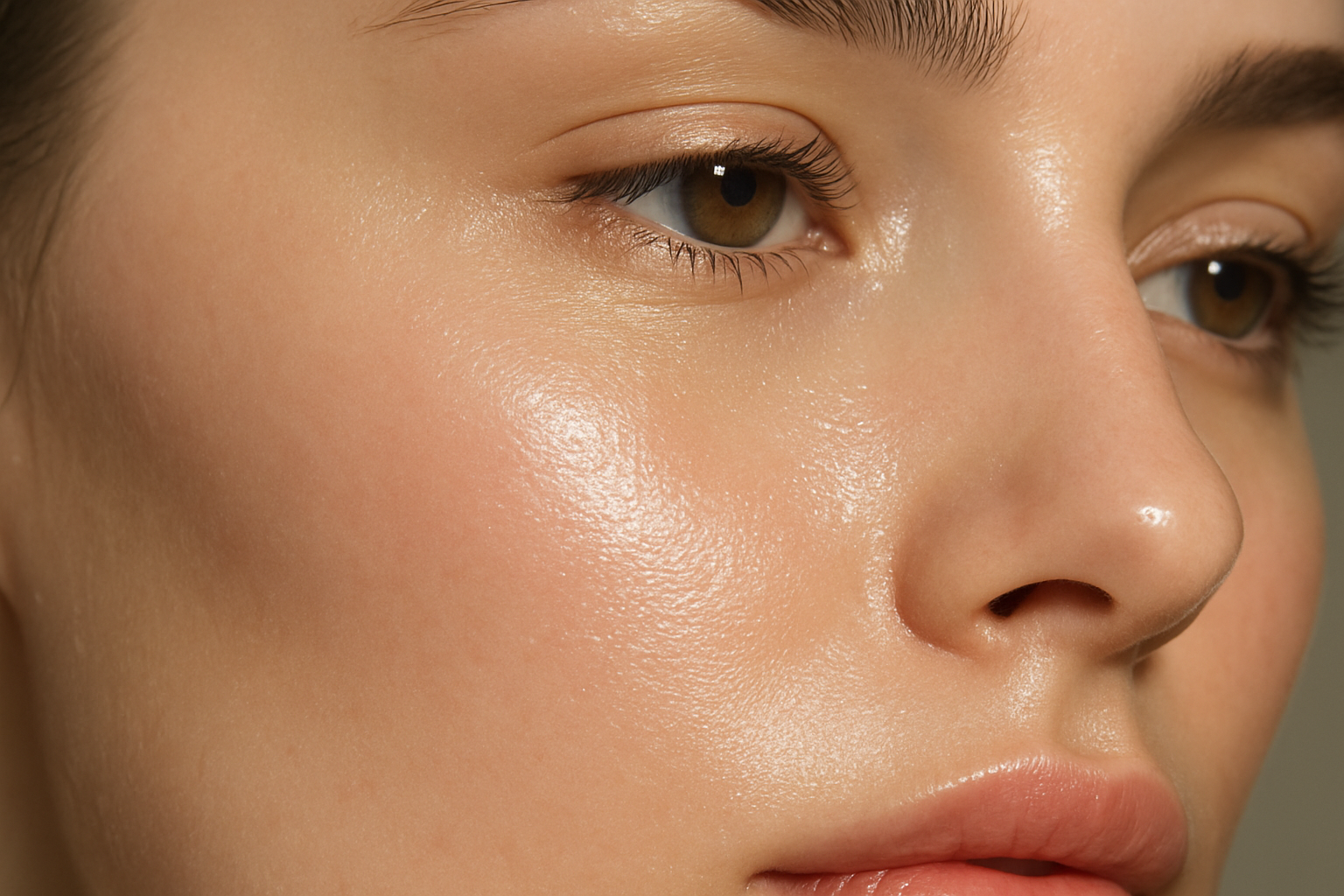
Glass Skin 2026: The Sustainable Blueprint for a Healthy, Dewy Glow
Remember the intricate 10-step routines of the 2017 glass skin trend? The goal—a poreless, lit-from-within luminosity—remains iconic. But the method has evolved. Today, achieving that radiant, "glazed" look is less about product count and more about strategic skin health.
The outdated approach of layering every "glow" serum often leads to a compromised barrier, irritation, and wasted effort. The 2026 philosophy is different: it's intelligent, sustainable, and built on a foundation of resilience.
Let's deconstruct the modern, sustainable path to glass skin.
Deconstructing Glass Skin: Core Concepts for 2026
What Is Glass Skin? Defining the Look
Glass skin is the visible manifestation of optimal skin health. It's characterized by:
* Deep Hydration: Plump, water-rich skin cells.
* Smooth Texture: A refined, nearly poreless surface.
* Even Tone: A clear, uniform complexion.
* Reflective Luminosity: A glow that appears to emanate from within.
It is not a layer of shine or grease sitting on top of the skin. True glass skin is cohesive, refined, and healthy.
The Non-Negotiable Foundation: Your Skin Barrier
Your skin barrier (stratum corneum) is your complexion's first line of defense. A strong, intact barrier:
* Locks in vital moisture.
* Keeps out pollutants and irritants.
* Maintains skin's plump, translucent quality.
A compromised barrier is leaky, leading to sensitivity, reactivity, and dullness—the antithesis of glass skin. Every effective routine starts with fortifying this foundation.
The 2026 Ingredient Toolkit
Understanding these categories is key to building an effective routine:
- Humectants (The Hydrators): e.g., Hyaluronic Acid, Glycerin. They attract and bind water to the skin.
- Emollients (The Smoothors): e.g., Ceramides, Peptides, Squalane. They smooth the skin's surface and reinforce the lipid barrier.
- Occlusives (The Sealers): e.g., Shea Butter, Certain Oils. They form a protective layer to prevent moisture loss.
The Golden Rule: Strategic Layering
Maximize efficacy by applying products from thinnest to thickest consistency: toner/essence → serum → moisturizer. This ensures proper penetration and prevents pilling.
The 2026 Glass Skin Routine: A Step-by-Step Guide
Phase 1: Gentle Preparation & Exfoliation (Evening Focus)
- Gentle Cleanser: Use a low-pH, non-stripping formula.
- Chemical Exfoliation (2-3x/week): Use AHAs (like Glycolic Acid) or PHAs to dissolve dead skin cells, revealing a smoother surface for light reflection. Avoid over-exfoliation.
Phase 2: Intensive Hydration & Treatment
- Hydrating Toner/Essence: Prep and deliver the first wave of moisture.
- Targeted Serums: Address concerns and build luminosity.
- Niacinamide: Refines pores, regulates oil, strengthens barrier.
- Vitamin C: Fights dullness, evens skin tone.
- Hyaluronic Acid: Apply to damp skin for a potent hydration boost.
- Barrier-Repair Treatment: Use a ceramide or peptide serum if your barrier needs extra support.
Phase 3: Sealing & Protecting (Day & Night Finale)
- Morning: Moisturizer → Broad-Spectrum SPF 30+. Sunscreen is non-negotiable for preserving glow and preventing UV damage.
- Evening: A richer moisturizer or sleeping mask to seal in treatments and support overnight repair.
Advanced Techniques & Pro Insights
Full-Body Glass Skin
Extend the glow from head to toe:
* Use a hydrating body wash.
* Exfoliate with an AHA body scrub or mitt 1-2x weekly.
* Apply a ceramide body lotion or oil to damp skin post-shower.
Enhancing Efficacy with Tools
- Jade Roller/Gua Sha: Use after serums to boost circulation, reduce puffiness, and aid absorption.
- Microcurrent Devices: Can help tone facial muscles for a lifted appearance.
The "No-Makeup" Makeup Method
Enhance, don't cover:
* Use an illuminating primer.
* Opt for a skin tint or dewy foundation applied sparingly.
* Spot-conceal only where needed.
* Choose cream/liquid blushes and highlighters.
* Set minimally with translucent powder.
Common Pitfalls & How to Avoid Them
- Over-Exfoliation: Leads to redness, stinging, and a damaged barrier. Stick to 2-3x weekly max.
- Product Pilling: Caused by formula conflict or too many layers. Allow products to absorb between steps and simplify your routine if needed.
- Skipping Sunscreen: UV rays break down collagen, cause pigmentation, and dehydrate skin—undoing all your progress. SPF is essential.
- Expecting Overnight Results: Glass skin is a marathon. Significant transformation requires 4-6 weeks of consistent care.
Conclusion: Your Path to Lasting Luminosity
The 2026 blueprint prioritizes barrier health, ingredient intelligence, and strategic layering, protected by daily sunscreen. It's a sustainable approach focused on long-term skin vitality over temporary shine.
Start by incorporating a hydrating serum and committing to daily SPF. Listen to your skin and be patient. Your most radiant complexion is a reflection of consistent, mindful care.
Frequently Asked Questions (FAQ)
I have oily, acne-prone skin. Can I achieve glass skin without looking greasy?
Yes. Oily skin is often dehydrated, triggering excess sebum production. Focus on oil-free, non-comedogenic humectants (like hyaluronic acid), gel moisturizers, and niacinamide to balance hydration and regulate oil. The goal is hydrated clarity, not surface shine.
What's the difference between "glass skin" and looking greasy?
Texture and origin. Glass skin has a smooth, refined surface with a cohesive glow from within well-hydrated skin. Greasiness sits on top of the skin, often highlighting pores and uneven texture.
If I could only buy one product for glass skin, what should it be?
A high-quality, broad-spectrum sunscreen. It prevents the UV damage (texture, pigmentation, collagen loss) that fundamentally blocks a luminous, even complexion. Prevention is more powerful than correction.
Are the classic 10-step K-beauty routines obsolete?
The core principles of layering and hydration are timeless. The modern approach emphasizes precision over volume—using fewer, more potent multi-tasking products to achieve the same goal of a fortified, hydrated barrier.
How do I know if my skin barrier is damaged, and how do I fix it?
Signs: Persistent dryness, tightness, redness, stinging, sudden breakouts, or flakiness.
Fix it with a "skin fast": Pause all actives (retinol, acids, vitamin C). Use only a gentle cleanser, a barrier-repair moisturizer (with ceramides/cholesterol), and sunscreen for 2-4 weeks. Reintroduce other products slowly once your skin has recovered. For a foundational step in any great routine, explore our guide on how to double cleanse properly.